As mobility becomes ingrained within mainstream healthcare, a critical element will be the integration of mobile prescription therapy, says a data science and image pattern recognition expert who describes the therapy as a confluence of clinical,...
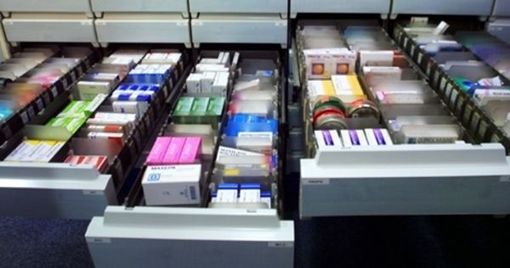
L’attaque lancée contre les professions réglementées, jeudi 10 juillet, par le ministre de l’Economie, Arnaud Montebourg a choqué de nombreux pharmaciens, qui en témoignent sur notre site Internet.
Dans le « colloque singulier » qui unissait le docteur et le malade, un tiers s'est immiscé : le web. Si une démocratie sanitaire effective exige des acteurs informés, les médecins voient parfois d'un mauvais œil les malades arrivant avec un diagnostic glané sur un site. Mais d'autres œuvrent pour l'avènement d'un « e-médecin », prescripteur d'information numérique.
Internet est-il le premier médecin de France ? La question, volontiers provocatrice, est loin d'être purement rhétorique : sept Français sur dix consulteraient internet pour y trouver de l'information médicale, selon une étude réalisée par la société Global conseil. L'usage est donc massif. Néanmoins, que le monde médical se rassure, les analyses démontrent également que la première source d'information fiable reste le médecin.
« Il faut, et c'est l'un des enjeux d'une relation plus concertée avec le patient, que la personne qui vient consulter ne se sente pas minuscule, assure le docteur Jacques Lucas, vice-président de l'Ordre national des médecins et passionné par la question. Internet peut participer à cela. Le deuxième avantage, c'est qu'internet permet de dépasser cette forme de sidération intellectuelle qui saisit le patient lorsque l'on annonce un diagnostic. Je ne crois pas que le malade va aller sur le web pour simplement vérifier les dires du médecin, mais bien pour assimiler, digérer, à son rythme, les informations qui viennent de lui être livrées. »
Accusé d'exercice illégale de la pharmacie en vendant en ligne des médicaments, le site assure n'être qu'un intermédiaire entre les officines et les clients, qu'il livre à domicile.
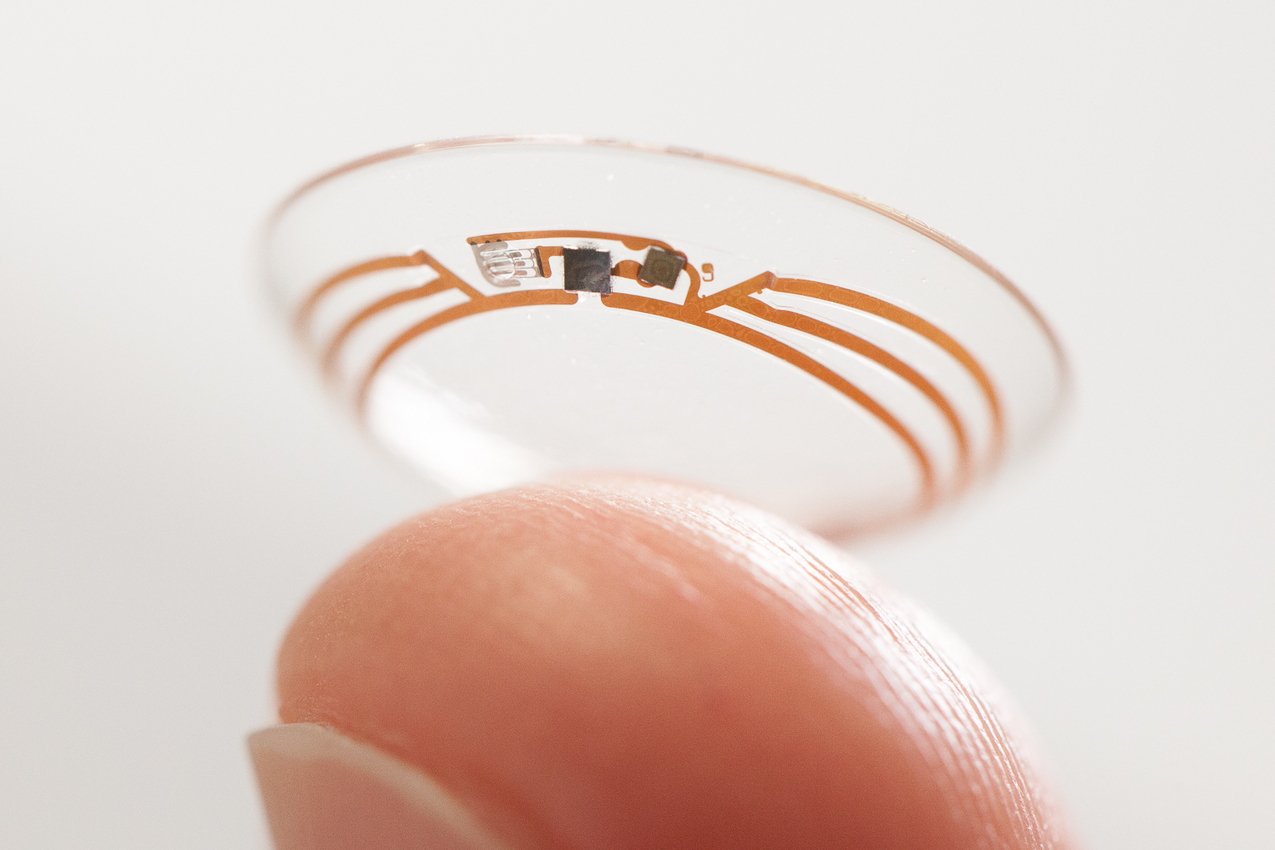
Google is developing a smart contact lens, with pharmaceutical giant Novartis, to help patients manage diabetes – in one of a number of moves focused squarely on billions of dollars of potential revenue available across the total digital healthcare market.
As technology moves further into treatment with remote consultations, monitoring and operations, robotic treatments, and advanced digital diagnosis, Google has seen the opportunity to apply its own eyewear technology (up until now limited as glasses called Google Glass) to the healthcare field.
Google’s 3D mobile technology and its offering around health record digitization form potential other strands of its expansion in the health market. Last month, it released the Google Fit platform to track exercise and sleep, among other health factors – but it is far from alone, as Apple and Samsung offer similar systems in that area.
Today, under a new development and licensing deal between Google and the Alcon eyewear division at Novartis, the two companies said they will create a smart contact lens that contains a low power microchip and an almost invisible, hair-thin electronic circuit. The lens can measure diabetics’ blood sugar levels directly from tear fluid on the surface of the eyeball. The system sends data to a mobile device to keep the individual informed.
Google co-founder Sergey Brin said the company wanted to use “the latest technology in ‘minituarisation’ of electronics” in order to improve people’s “quality of life”.