


22/07/2014
22/07/2014

It's been tough to identify the problems that only turn up after medicines are on the market. An experimental project is now combing through data to get earlier, more accurate warnings.
No one likes it when a new drug in people's medicine cabinets turns out to have problems — just remember the Vioxx debacle a decade ago, when the painkiller was removed from the market over concerns that it increased the risk of heart attack and stroke.
To do a better job of spotting unforeseen risks and side effects, the Food and Drug Administration is trying something new — and there's a decent chance that it involves your medical records.
It's called Mini-Sentinel, and it's a $116 million government project to actively go out and look for adverse events linked to marketed drugs. This pilot program is able to mine huge databases of medical records for signs that drugs may be linked to problems.
The usual system for monitoring the safety of marketed drugs has real shortcomings. It largely relies on voluntary reports from doctors, pharmacists, and just plain folks who took a drug and got a bad outcome.
"We get about a million reports a year that way," says Janet Woodcock, the director of the FDA's Center for Drug Evaluation and Research. "But those are random. They are whatever people choose to send us."
Source: www.npr.org
22/07/2014
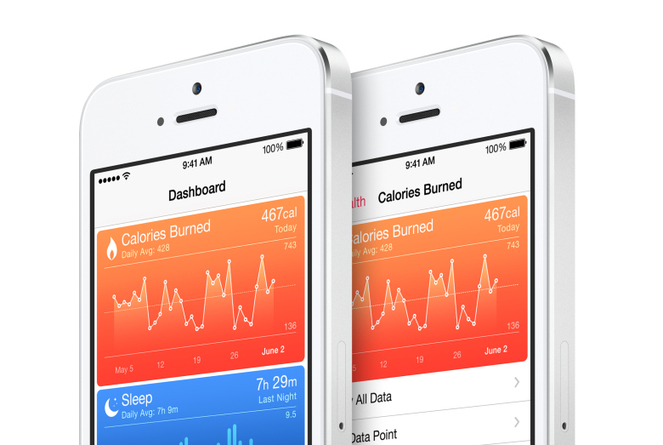
The Food and Drug Administration (FDA), which regulates everything from heart monitors to horse vaccines, will soon have its hands full with consumer health apps and devices.
The vast majority of the health apps you’ll find in Apple’s or Google’s app stores are harmless, like step counters and heart beat monitors. They’re non-clinical, non-actionable, and informational or motivational in nature.
But the next wave of biometric devices and apps might go further, measuring things like real-time blood pressure, blood glucose, and oxygen levels.
More clinical apps
The FDA is charged with keeping watch on the safety and efficacy of consumer health products. Lately, that includes more clinical apps as well as devices you might buy at the drugstore, like a home glucose testing kit.
“It’s these apps that the FDA says it will regulate,” David Bates of Brigham and Women’s Hospital and Physicians Organization told VentureBeat in June. These apps will have to go through the full 510(k) process,” he said.
Dr. Bates chaired a group to advise the FDA on how to review health apps for approval, and on how the FDA should advise developers.
“It was intended to help them think through the risk factors involved with these products and then give guidance on how to stay within the guidelines,” he said.
“The device makers were asking from some guidance from The FDA on what types of things would be accepted and what wouldn’t,” Bates said.
Bates believes the FDA wants to use a light regulatory touch when looking at new medical devices. “The FDA definitely wants innovation to continue in clinical devices,” he said. “In general the FDA knows that the vast majority of apps are just informational.”
The FDA’s final guidance focuses on a small subset of mobile apps that present a greater risk to patients if they do not work as intended.
Health apps go mainstream
The big software companies (Apple, Google, and Samsung) have brought attention to, and lent credibility to, apps and devices that do more than count steps. These companies are building large cloud platforms designed to collect health data from all sorts of health apps and devices.
more at http://venturebeat.com/2014/07/21/health-apps-are-changing-so-must-the-fda/
Source: venturebeat.com
22/07/2014
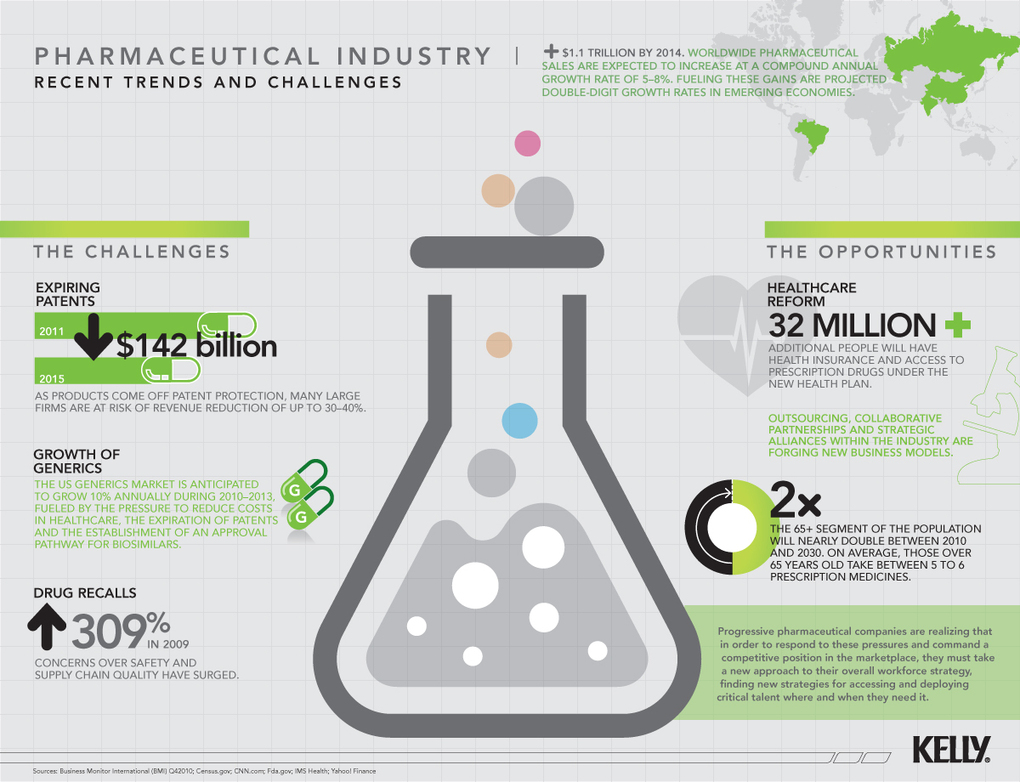
Digital Transformation in the pharmaceutical industry provides the means to, not only revise its business model, but also increase its relevance to its ultimate customers – patients, physicians and other consumers of its products and services.
Source: smartdatacollective.com
22/07/2014
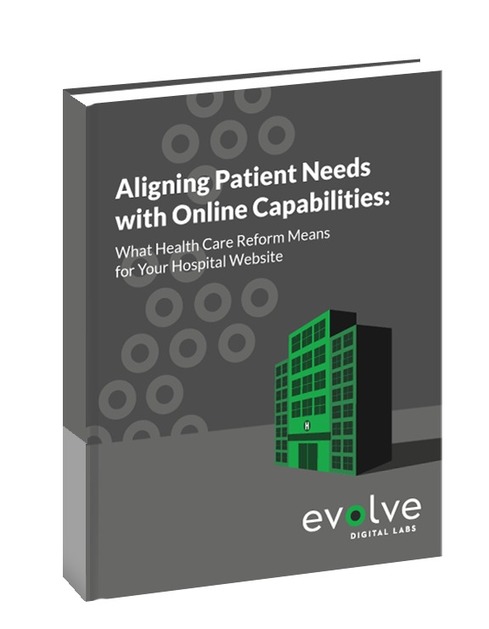
Free Download: Hospital Marketing Report Card
Learn how some of America's top hospitals fall short in delivering on patients' online expectations and how it affects your hospital's ROI.
Download the full report - "Aligning Patient Needs with Online Capabilities" - today.
49% of the top hospitals lack a mobile-friendly website
Only 1 out of 5 offers online pre-registration for appointments
67% fail to offer online rehab and aftercare information
Read the full report to evaluate what is preventing your own hospital's marketing efforts from achieving a greater return on investment from your website.
Hospitals whose websites are lacking in substantial content, helpful resources, and general functionality will suffer from a decrease in traffic and authority.
With over 70% of Internet users using online resources to discover health information, now is the time to invest in creating a website that delivers on the patient needs end-to-end.
Taking advantage of the right digital tools, including your website, will allow your healthcare organization to more easily deliver greater results to patient outcomes while lowering hands-on interactions.
Source: evolvedigitallabs.com
22/07/2014
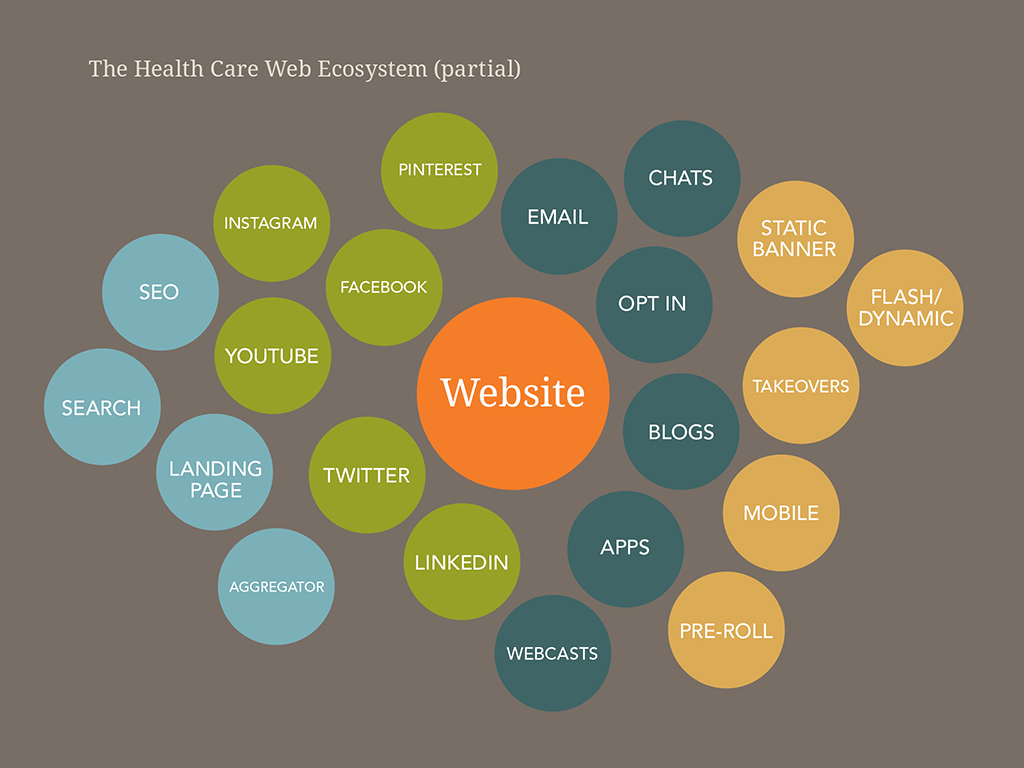
Digital Patient Engagement & Hospital Marketing Strategies to Improve Patient Acquisition and Retention
The value of your hospital's marketing efforts, both traditionally and online, can yield significant return on your marketing dollars. As consumers become more tech savvy, their online shopping transcends into the search for healthcare. Digital marketing amplifies your brand, raises awareness about your events and efforts in the community, and educates your patient populations. In turn, a focus on a digital strategy can help meet your patient acquisition objectives and boost patient loyalty while driving revenue in and back through the hospital and affiliated physicians.
What are some of these different strategies and blended approaches to attract and maintain a loyal patient base? Ensure your organization is utilizing or leveraging these key objectives to drive measureable return on your marketing investment:
Digital strategies to acquire new patients
The key to acquiring new patients digitally is simply making sure your organization and its information is easily accessible for those who need it quickest: physicians, patients and staff. Harness the strengths of technology to ensure your brand is discoverable online and create powerful, user-friendly tools.
- Check your search engine optimization. [..]
- Add a toolbar of "quick links" [..]
- Include referral phoine numbers and other key info on all pages [..]
- Make a call to action [..]
- Leverage your website [..]
- Leverage your social channels [..]
These tactics provide significant value to your brand that can influence customers' purchasing decisions when shopping around for healthcare.
Patient retention through online engagement
For the engaged and technology-savvy patient, hospitals can leverage social media channels, apps or patient portals to keep existing patients in-network by promoting value-added services.
- Create segmented conversations [..]
- Take support groups beyond weekly meetings [..]
- Listen and respond [..]
As hospitals work even harder to elevate their presence in a highly competitive market, online marketing strategies can improve retention, open lines of communication and boost the experience for patients and healthcare providers.
Source: www.beckershospitalreview.com