


08/07/2014
The Digital Health Revolution is upon us. Here are the ten trends that will impact each and everyone of us in the coming years to help us live healthier, stronger and smarter lives, for longer.
Source: www.slideshare.net
The Digital Health Revolution is upon us. Here are the ten trends that will impact each and everyone of us in the coming years to help us live healthier, stronger and smarter lives, for longer.
Source: www.slideshare.net
Not only are today's healthcare consumers and patients relying more on the Internet to seek out information, locate needed medical experts and keep up on latest research and treatments, they're also sharing what they learn through an increasing number of social media outlets, including Facebook and Twitter.
Social media technologies provide users with quick and fast sharing capability and the potential to reach a huge swath of other users. The sites also afford the same capabilities to healthcare providers, vendors, pharmaceutical companies, payers and everyone else within the healthcare industry.
To that end, it's nice to see the U.S. Food and Drug Administration (FDA) finally catch up with how consumers and patients are sharing information online, especially since medical device manufacturers, pharma companies and other healthcare professionals are are doing the exact same thing.
In drafting a new federal guidance document on social media use, FDA offers medical device manufacturers and pharmaceutical companies insight on how to share benefit and risk information on 23 electronics digital platforms, ranging from Twitter and blogs to online paid search programs. Specifically, it calls for a balance between risk and benefit information posted to online platforms.
The guidance arrived several months after the FDA announced its intention to track social media talk about product risks. "The objective of this requirement is to provide FDA with the resources needed to use social media to inform and evaluate FDA risk communications," a solicitation notice published to the Federal Business Opportunities website in March said.
Doctors, nurses, pharmacists and healthcare consultants from the U.S. make up most of the healthcare professionals who use Twitter, according to research by Creation Healthcare, a London-based research and training consultancy. U.S. healthcare professionals make up 31 percent of the 75,000 worldwide total of healthcare professionals who turn to the social media site to "tweet" information about healthcare policy, research, individual medicines and treatments for the disease.
Still, social media, in general--for med device and pharma companies, as well as health payers and providers--is about actively influencing consumers, educating and empowering them to drive measurable results, according to a Deloitte University Press article published earlier this year.
Source: www.fiercemobilehealthcare.com
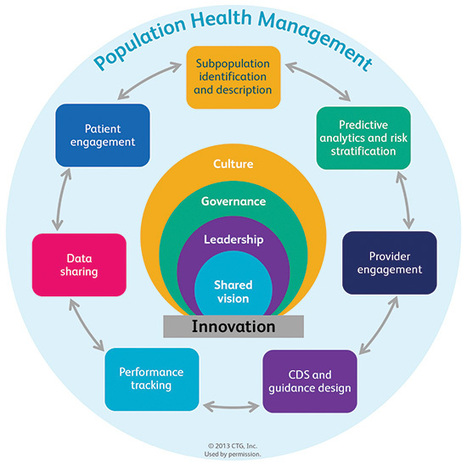
SOURCE: CTG Health Solutions and Clinovations. “Population Health Management: Leveraging Data and Analytics to Achieve Value.” 2012. The next evolution of population health management will demand a greater focus on three key data truths.
Source: hitconsultant.net

Le laboratoire Servier lance une nouvelle application mobile pour accompagner la relation médecin-patient autour des pathologies cardiovasculaires : Cardiological. Découverte. Pour aider les patien...
Source: buzz-esante.com
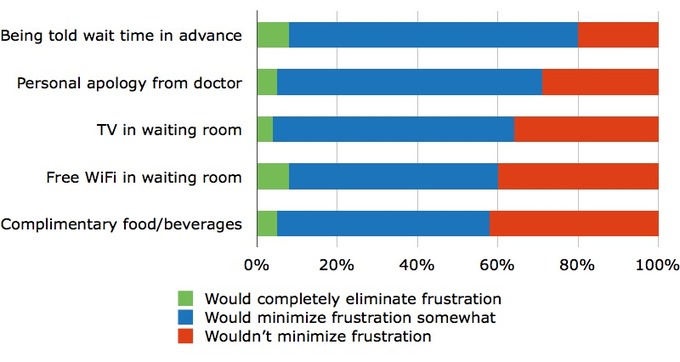
We surveyed 5,003 patients to determine how they feel about wait times and what might alleviate their frustration.
[...]
Key Findings:
Patients are nearly unanimous in their dislike of waiting at their doctors’ offices, but there are steps you can take to help alleviate their frustration. Simply notifying patients how long they’ll have to wait can ease the frustration of most patients, as will a personal apology from their doctor when they’ve had to wait.
See download of report
Source: www.softwareadvice.com

Insights from our international survey can help healthcare organizations plan their next moves in the journey toward full digitization. A McKinsey & Company article.
Source: www.mckinsey.com