
11/07/2014

FDA Looks to Urge Companies to Tweet Drug Risks #pharma #hcsmeu #FF @evepie

The FDA is looking into a new way to regulate drugs and medical devices—by using social media. The agency has drafted social media guidelines that would urge drug companies to use platforms such as Facebook, Twitter, and YouTube, to educate the public about the risks of their prescription drug or medical device.

The draft guidelines, which are currently under review by the agency, propose that companies be required to use the “character space constraints” on social media platforms such as Twitter to tweet the risks, along with the benefits, of a product. The guidelines also recommend that manufacturers include a link that takes readers to more information about the product. In the case of Twitter, that information should all be included in a single tweet.

    If a firm concludes that adequate benefit and risk information, as well as other required information, cannot all be communicated within the same character-space-limited communication, then the firm should reconsider using that platform for the intended promotional message.

If approved, the guidelines will become the first formal recommendation by the agency regarding manufacturers’ use of social media.

Source: www.boston.com
11/07/2014

La CNIL se penche sur la santé connectée

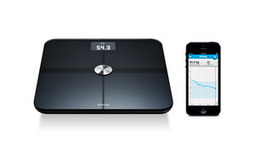
Qu’est-ce-que le Quantified Self ?

« Se mesurer soi-même », avoir une connaissance et une analyse de ses capacités physiques  et physiologiques est aujourd’hui un phénomène très tendances. On assiste ainsi au développement d’outils et d’applications permettant à tout individu qui le souhaite d’en savoir un peu plus sur lui-même, notamment en termes de capacités physiques.

Source: www.myprivacyspace.net

11/07/2014

Clinical researchers dip toe into social media

Social media's pharma marketing behavior got some regulatory attention this week, but the guardrails the FDA has put in place address only one aspect of pharma's social media interest. A just-wrapped study by the Tufts Center for the Study of Drug Development assessed how clinical researchers are using the chatty platforms.

Despite concerns, like patient privacy, that have dogged pharma marketing efforts, Tufts researchers found that most of the polled companies have been using social media for clinical research over the past four years. Researchers also noted 20% of the polled biotechs and pharmaceutical companies directly contacted patients through social media, while others used third parties or what Tufts called passive outreach — banner ads on social media sites — to get patient attention.

The majority of the polled groups —  which included contract research organizations — recruited patients for clinical trials using Facebook, patient communities, YouTube and Twitter, and reported that around 11% of clinical trials included a social media recruitment component.

This interaction is also one-sided. Not one of the surveyed groups ask patients for input on trial design or feedback in general, even though the majority told Tufts they think “input from social media communities would greatly improve the feedback they receive on program planning and protocol design feasibility.”

A companion survey showed that patients would be more than happy to share. Tufts found that 24 out of 27 polled patients think clinical research sponsors should use social media to ask patients about case report forms, and 22 of 27 said they should be asked for input about protocols and scheduling.


Source: www.mmm-online.com